UpFront

-
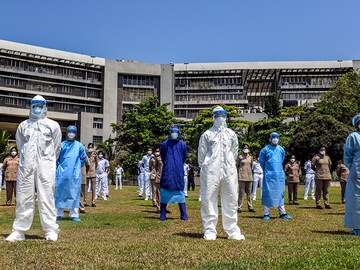
For India's medical workers, danger and 'heartbreaking decisions'
The Indian Medical Association said more than 1,000 doctors have died from Covid-19 since the pandemic hit last year, with a quarter of those dying since the beginning of April alone
-
Covid-19 Vaccine FAQs, Children Edition: We answer your frequently asked questions about coronavirus spread amongst kids
The second wave of Covid-19 in India has brought devastation of unimagined proportions and it is also affecting children. In part three of our Vaccine FAQs series, Dr Puneet Anand—Associate Consultant (Paediatrics and Neonatology), Fortis Hospital, Himachal Pradesh—answers queries posed by concerned parents and caregivers. From 'Do kids face a high risk of catching Covid-19?' to 'What precautions do parents need to take to avoid MIS-C in kids?'
-
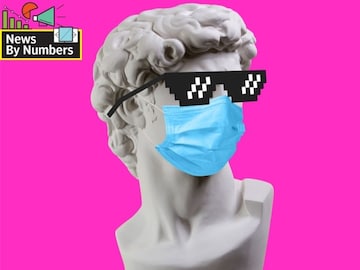
International Museum Day: The impact of Covid-19 closures
The top 100 museums around the world saw a 77 percent drop in footfalls thanks to the Covid-19 pandemic. Most of them remained closed throughout 2020, with the total number of closure days of the 100 top museums amounting to a whopping 41,000
-
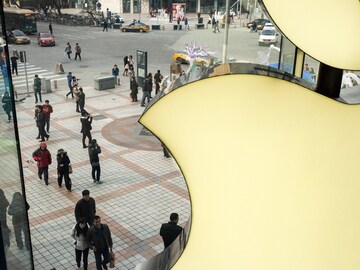
Censorship, surveillance and profits: A hard bargain for Apple in China
While both the Trump and Biden administrations have taken a tougher line toward China, Apple's courtship of the Chinese government shows a disconnect between politicians in Washington and America's wealthiest company
-

Mister India: Inside Xiaomi's transformation into a Made-in-India brand
Manu Jain has pulled out all stops to project the born-in-China Xiaomi as a made in India label, but is there a flipside to building the brand around an individual?
-
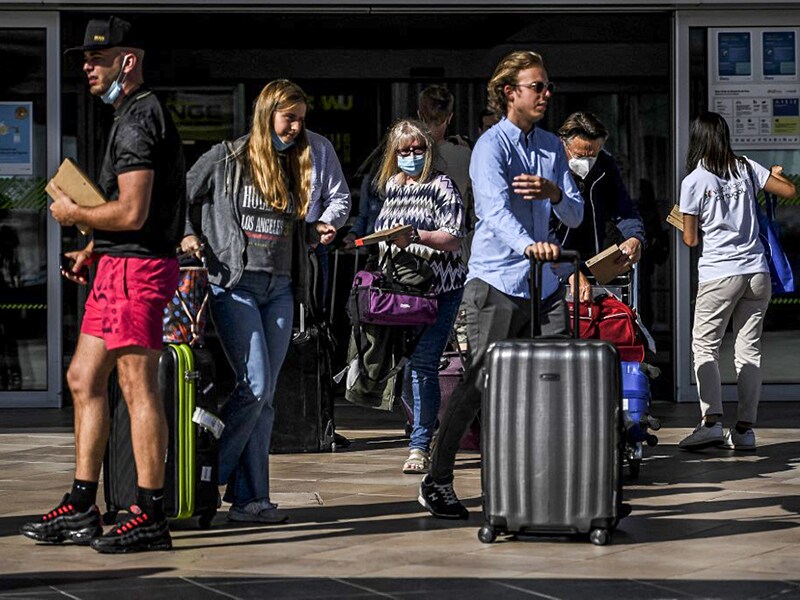
They live in the US, but they're not allowed to come home
The US has restricted entry from a number of countries, but the most recent ban has had a disproportionate effect on Indians in the United States given that Indian citizens claim more than two-thirds of H-1B visas issued each year
-
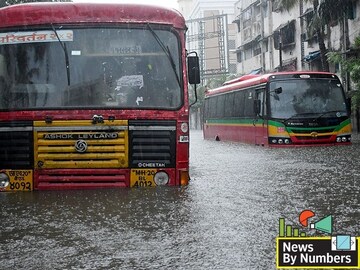
Why Tauktae? A look at how cyclones are named
As Cyclone Tauktae intensifies, many are wondering where the name came from and why it's called that. A look at why and how cyclones are named
-
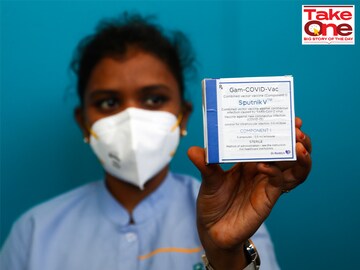
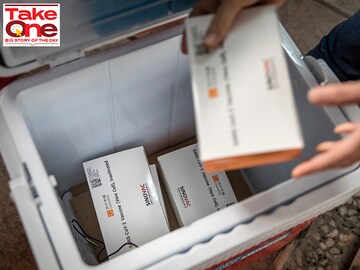
India finally has a third vaccine. Is it enough to save the country?
The contentious Sputnik V vaccine, of which close to 900 million doses are being manufactured in India, is being administered at time when the pace of inoculations is alarmingly behind schedule
-
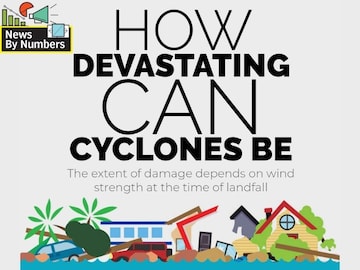
Tauktae: The devastating power of cyclones
As Cyclone Tauktae intensifies into a Severe Cyclonic Storm, a look at how they are formed and the damage each category of cyclones may cause to the area where they make a landfall
-
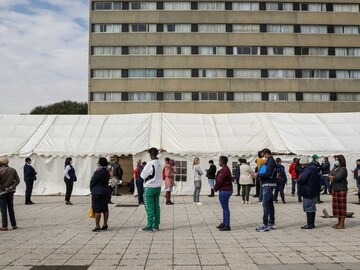
Wealth disparity, legal hurdles and supply hamper effort to vaccinate world
Only 0.3% of the vaccine doses administered globally have been given in the 29 poorest countries, home to about 9% of the world's population
-
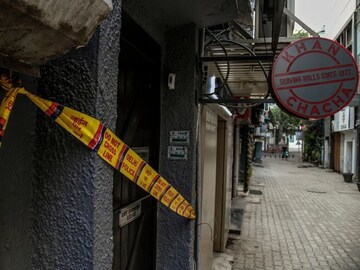
A desperate India falls prey to Covid-19 scammers
Medicine, oxygen and other supplies are brokered online or in hushed phone calls and in many cases, the sellers prey on the desperation and grief of families